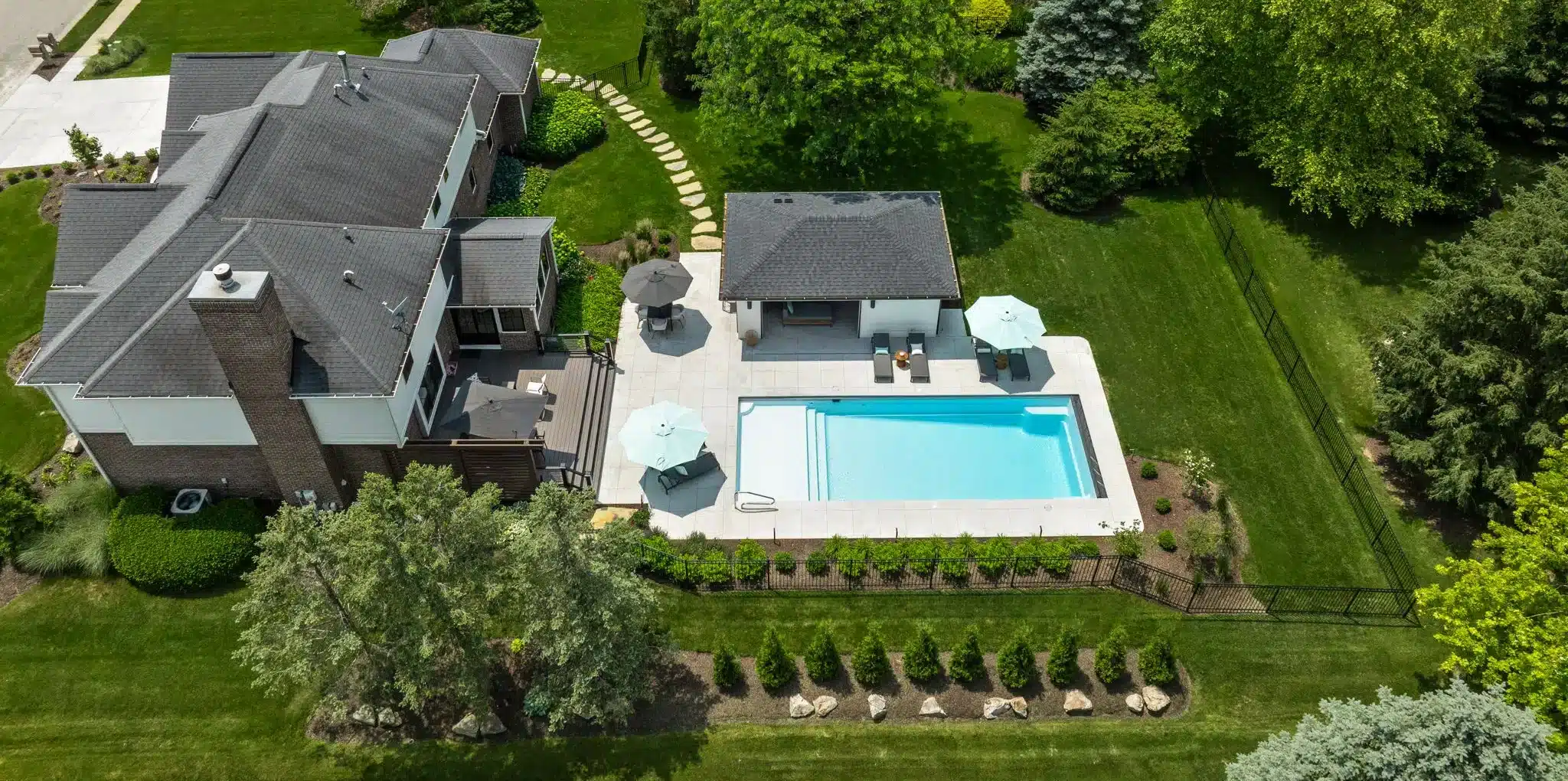
You don’t need to stop cooking outside just because the seasons change. A covered outdoor kitchen adds more than square footage— It creates a space that functions as beautifully in January as it does in July.
At BPI, we design covered outdoor kitchens to thrive in all seasons. That means considering airflow, temperature control, material resilience, and how the space actually fits into your life. Here’s what to keep in mind when designing a space that’s built to last.

Why Add a Covered Outdoor Kitchen?
A covered outdoor kitchen expands your home’s usable footprint. It creates a secondary hub for gathering and entertaining—protected from sun, rain, wind, and snow. And when designed thoughtfully, it functions beautifully for both the cook and the guests.
The cover isn’t just about shelter. Structure, height, and orientation should be integrated with the rest of your space, especially if you’re tying into your home’s architecture. Our design-first approach ensures every line and material feels intentional.
Start With the Right Foundation
Designing for year-round use starts with asking the right questions:
- Do you plan to host in winter?
- What does sun exposure look like in peak summer?
- How should the space connect to the indoor kitchen?
These conversations shape everything from layout to materials. For kitchens near the home, we often mirror roof pitch or exterior finishes. In standalone areas, we design around the grade, views, and flow.
Ventilation and Airflow Are Essential
One of the biggest design flaws we see in prefab or DIY covered kitchens is poor ventilation. A simple roof without proper exhaust creates a hot, smoky, and unsafe environment—especially when high-BTU grills or pizza ovens are involved.
That’s why we integrate ventilation from the start. Depending on the structure, that may include built-in range hoods, gabled or open rooflines for natural draft, or side openings to allow heat to escape. We design with both airflow and privacy in mind, ensuring that comfort never comes at the expense of shelter or visual balance.
In our pergola-covered spaces, we often recommend adjustable louvers like Renson to give clients control over sun and shade throughout the year—an elegant solution that bridges design and utility.
Plan for All Seasons
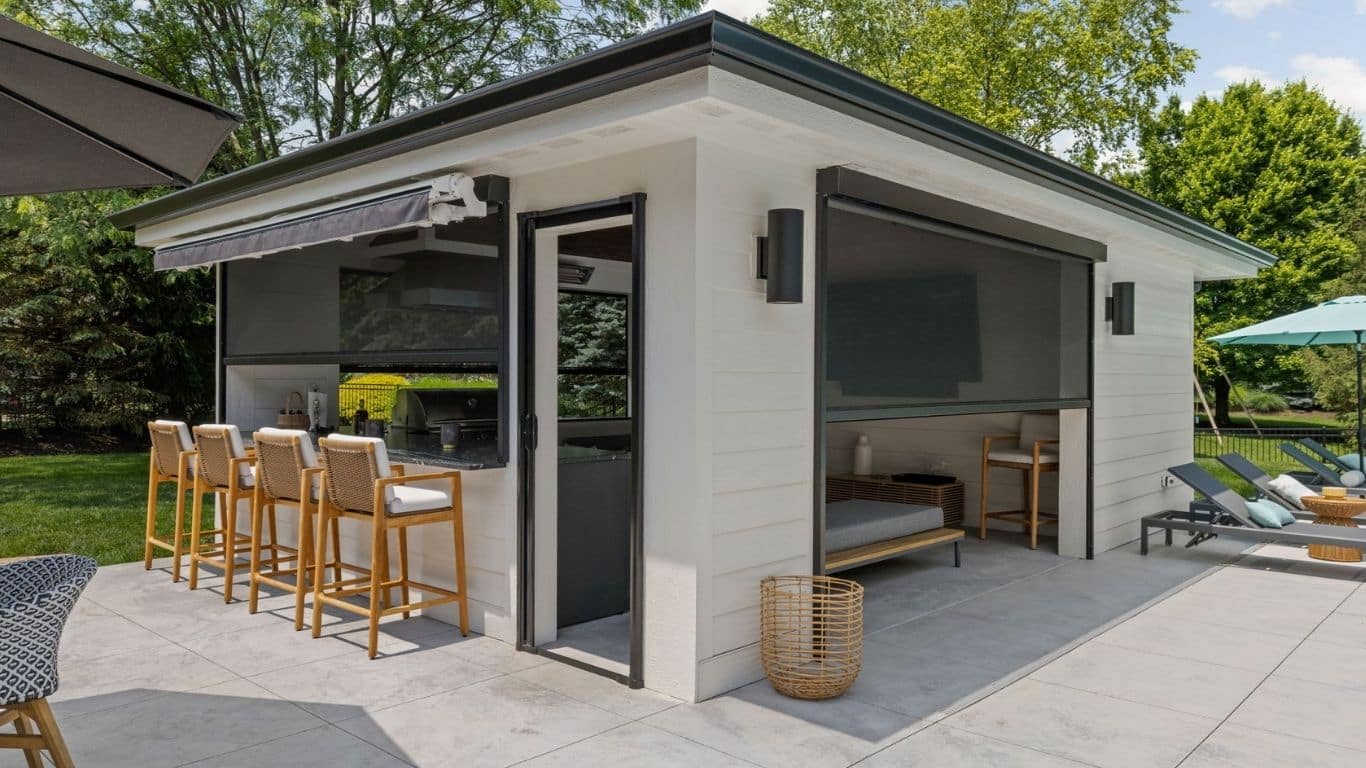
A year-round kitchen must be designed for Indiana weather. In summer, shade and fan circulation are key. In fall and spring, wind protection keeps the space usable. In winter, radiant heaters and even built-in fire features add warmth without interrupting the functionality of the cooking zone.
At BPI, we don’t force a cookie-cutter solution into a client’s space. Instead, we align each element of the outdoor kitchen with how the family uses it—and how long they want to enjoy it. We choose materials that withstand temperature swings, and we position everything from island seating to sink placement with intention.
And we always build to last. Our team includes expert artisans who understand the demands of the Midwest climate. From freeze-thaw cycles to seasonal debris, our craftsmanship accounts for the details others overlook.
Material Choices That Hold Up—And Elevate
A covered kitchen is exposed to the elements even with overhead protection. Rain can still blow in from the sides, UV rays can bleach surfaces, and moisture can affect structural integrity over time.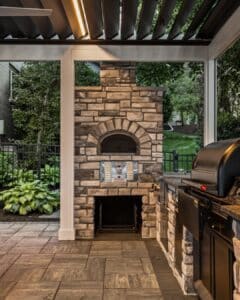
We avoid porous materials and steer clients toward high-performance countertop options like Dekton or properly sealed natural stone. We specify stainless steel cabinetry, under-mount sinks, and plumbing lines that are both durable and accessible for maintenance. Each finish—wood, stone, tile, or composite—is vetted for outdoor resilience.
And because design is in our DNA, every choice enhances the space aesthetically. We believe function should never come at the expense of beauty.
Smart Layout for Flow and Function
No two outdoor kitchens are alike. Some are designed for high-volume hosting; others are private sanctuaries with a grill and a glass of wine. That’s why the layout needs to reflect real life.
At BPI, we prioritize ergonomic flow: placing grills, prep zones, refrigeration, and seating in a way that supports the chef and the guests simultaneously. The goal is always the same—make the experience seamless, whether you’re cooking a casual Tuesday dinner or hosting 30 people on a Saturday in October.
Covered structures let us define distinct zones—cook, serve, sit, enjoy—without cutting off connection to the landscape. We’ve designed covered kitchens with multiple countertop levels, integrated planters, and even outdoor TVs and sound systems. When done well, the kitchen becomes an experience, not just an appliance bank.
Lighting That Extends the Evening
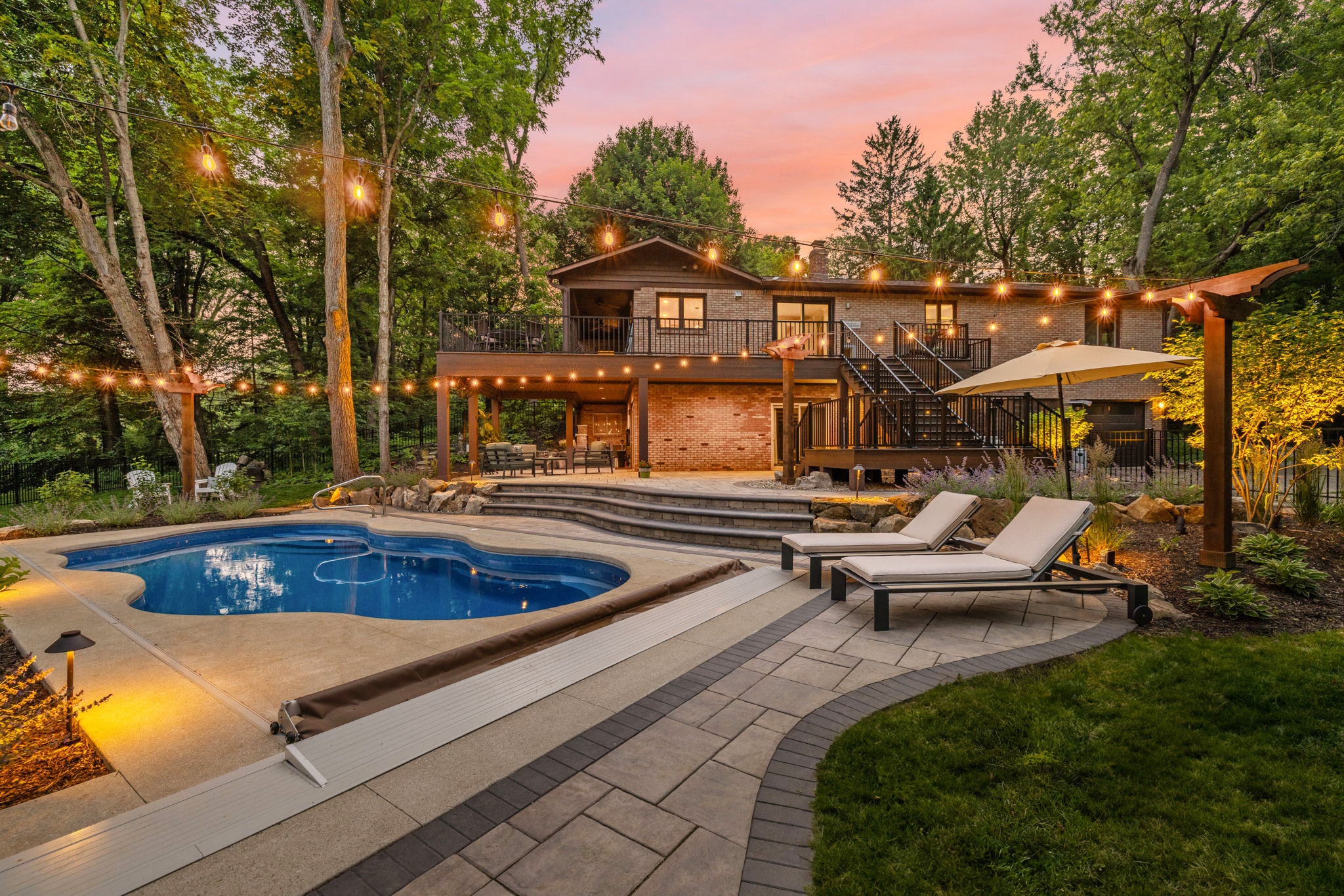
Lighting transforms the feel and functionality of a covered kitchen. Ambient pendants can bring a warm, intimate glow to the prep zone, while task lighting under counters or above the grill ensures usability after sunset.
We integrate low-voltage lighting solutions that pair beautifully with our architectural approach. In spaces like our Rustic Modern Outdoor Kitchen, lighting becomes a key element of the design language—subtle, but essential. And with automated controls and smart timers, it’s easier than ever for clients to set the mood with minimal effort.
Covered Doesn’t Mean Closed In
A common misconception is that a covered kitchen has to feel boxed in. Our approach is to create shelter that complements, not confines. Whether that’s a pergola, a full gable roof, or a hybrid structure, the goal is always to preserve connection to the rest of the space—the pool, the fireplace, the garden.
The right structure balances protection and openness. We consider sightlines, airflow, roof overhangs, and even the sound of rain. It’s about designing a sensory experience that feels grounded, functional, and beautiful in every season.
Why Work With BPI?
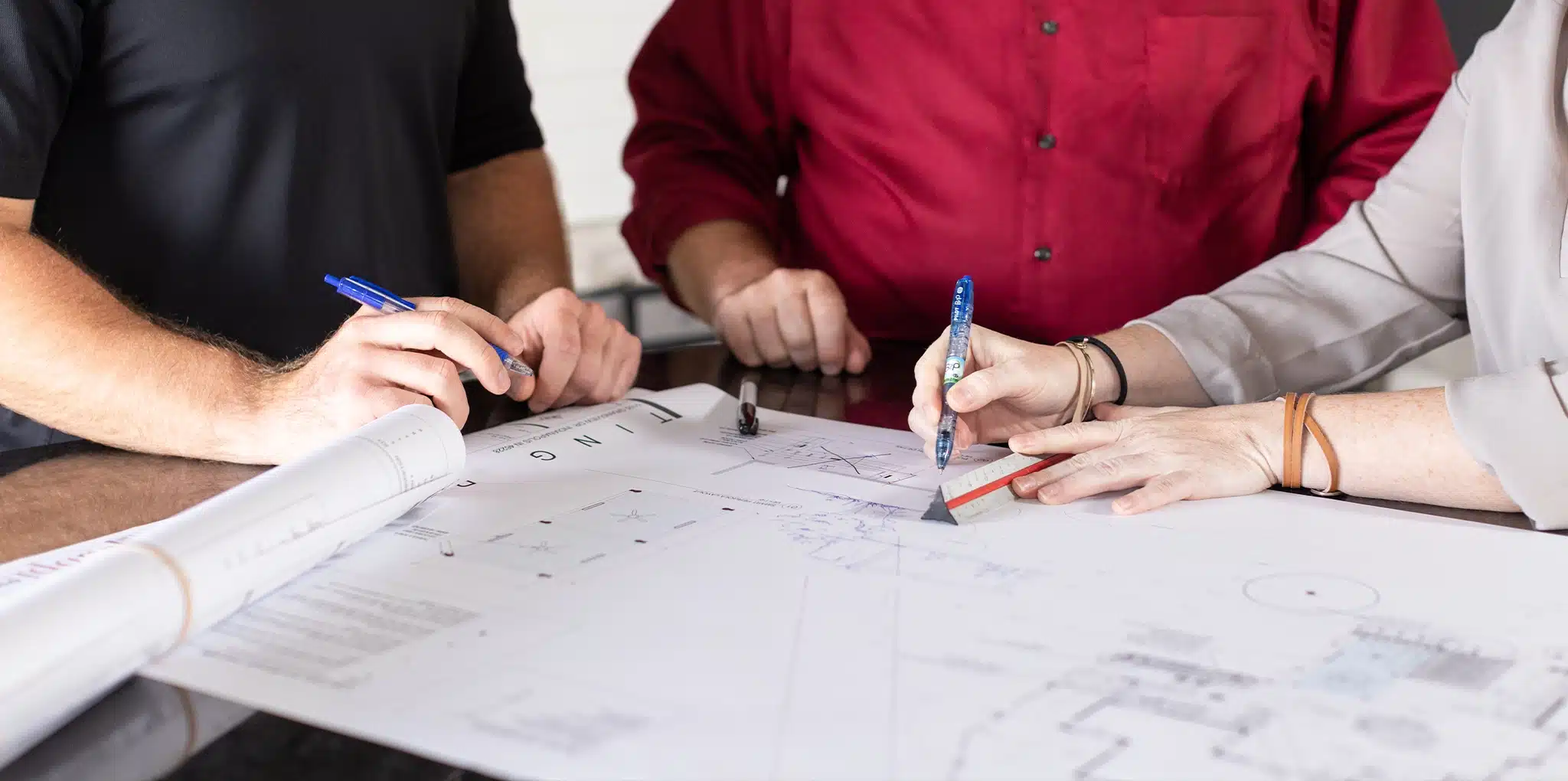
You’re not just hiring someone to install a grill. You’re partnering with a team of expert landscape architects and skilled artisans who think long-term. Our design-build process is collaborative, transparent, and tailored to your life—not a template.
We ask better questions upfront. We draw on decades of expertise. And we deliver spaces that feel like an extension of your home, because they are. From initial consultation to final walkthrough, we handle every detail with the care your investment deserves.
Explore our design approach and see how we bring ideas to life in our Design-Build Process overview.
Frequently Asked Questions
What is the best roof type for a covered outdoor kitchen?
It depends on your goals. For flexibility, louvered pergolas like Renson systems allow adjustable shade and full weatherproofing. For a more enclosed, permanent look, custom pavilions or roof extensions that match your home are ideal.
Can I use my outdoor kitchen in winter?
Yes—with the right design. Add radiant heat, wind-blocking screens, and weatherproof materials. Our covered kitchens are built to function even when the temperatures drop.
What should I include in a year-round outdoor kitchen?
Focus on:
- Durable materials like stainless steel and granite
- Ventilation and airflow
- Weather protection and heating
- Lighting and appliance integration
- Covered storage solutions
How do I start planning a covered outdoor kitchen?
Meet with a design expert. At BPI Outdoor Living, we’ll walk through your space, listen to how you want to live, and create a conceptual design tailored to your lifestyle and property.
Design for the Life You Want to Live
A covered outdoor kitchen isn’t just about cooking outdoors—it’s about making your space usable, beautiful, and inviting no matter the season. When designed intentionally, it becomes one of the most loved and lived-in parts of your home.
At BPI, we blend architectural insight, precision craftsmanship, and elevated design to create outdoor kitchens that support your year-round lifestyle.

J.D. Durst brings more than 25 years of landscape architecture design/build experience to BPI Outdoor Living. A Purdue University graduate and BPI’s President/CEO, J.D. leads with a focus on innovative, functional design, exceptional craftsmanship, and creating outdoor living spaces tailored to each client’s needs.